


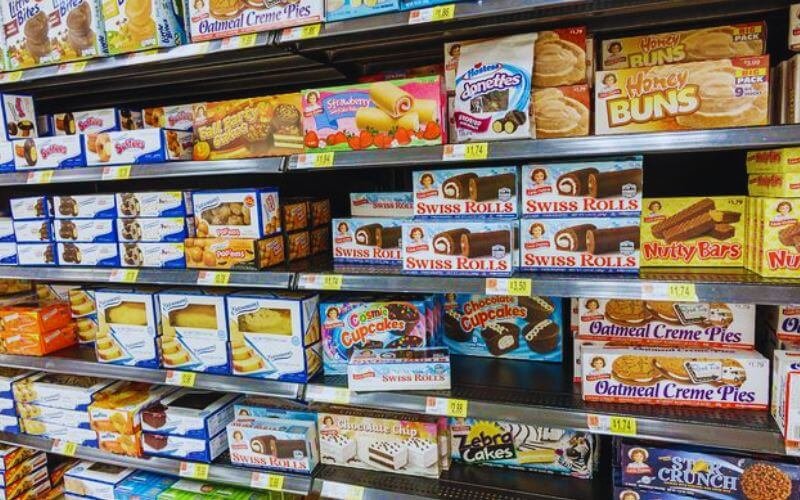
If you’ve seen social media posts warning that Little Debbie is shutting down, you’re not alone. The claim spread quickly and scared a lot of snack cake fans. But the short answer is: no, Little Debbie is not going out of business.
What actually happened is a lot more specific — and a lot less dramatic. A narrow distribution decision got stripped of context, spread online, and turned into a national panic. This article breaks down exactly what changed, who is actually affected, and how to tell the difference between a real closure and a rumor.
Little Debbie Is Not Going Out of Business
McKee Foods, the company behind Little Debbie, has confirmed it has no plans to shut down. Products are still available in U.S. grocery stores, gas stations, and major retailers across the country.
Multiple fact-checkers looked into this directly. ABC 10 News rated the “going out of business” claim as fiction. WLTX’s Verify segment also confirmed, using a statement from McKee Foods, that the company continues normal U.S. retail operations.
If you visit LittleDebbie.com right now, you’ll find active product lines, seasonal items, and ongoing promotions. That’s not what a company winding down looks like. The website alone is a simple, practical signal that operations are running normally.
Where the Rumor Actually Started
The rumor has a clear origin. In September 2022, McKee Foods decided to stop supplying Little Debbie products to U.S. military commissaries and exchanges — that includes the Defense Commissary Agency, the Navy Exchange Service, and Army and Air Force exchanges.
Stars and Stripes, which covers news for U.S. military personnel, published a story with the headline: “Goodbye, Little Debbie: Snack cakes to gradually disappear from commissary shelves.” That headline is accurate in its original context. But once it circulated on social media without the military context, people read it as evidence the company was closing entirely.
McKee’s reason for leaving the commissary channel was straightforward. A company spokesman said the regulatory standards required to supply the Defense Commissary Agency and related exchanges were simply too costly to meet. It was a channel-specific business decision — not a sign of financial collapse.
Think of it like a restaurant chain pulling out of one city because the local regulations make it too expensive to operate there. That doesn’t mean the whole chain is failing. It means one market stopped making business sense.
What Changed for Military Families and Canadian Shoppers
These are the two groups with a real, legitimate change to deal with — and they’re worth addressing separately.
Military Commissaries and Exchanges
Once commissaries sold through their existing Little Debbie stock, they stopped restocking. This is permanent for that channel. The Defense Commissary Agency confirmed it no longer carries the brand.
However, service members and military families can still buy Little Debbie products off base at any standard U.S. retailer. The brand hasn’t disappeared — it just isn’t being sold through military-specific retail outlets anymore.
Canada
The situation in Canada is a genuine regional withdrawal. McKee lost its Canadian distributor and, according to WLTX’s Verify reporting, is not actively seeking a replacement. That means Little Debbie products are effectively unavailable in Canada through normal retail channels.
For Canadian consumers, this isn’t a misunderstanding — it’s real. If you’re in Canada and can’t find Little Debbie anywhere, that’s why. Your options are limited to substitute brands or cross-border purchases, which aren’t always practical.
The key point is that these are two separate, channel-specific decisions. Neither one signals that the company itself is in trouble.
Why Your Local Store May Have Stopped Carrying It
Some U.S. shoppers have noticed Little Debbie disappearing from a specific store and assumed the worst. But individual retailers make their own product decisions, independent of what’s happening at the brand level.
A good example came up in a Reddit thread from r/boulder. Users noted that King Soopers in Boulder, Colorado had dropped Little Debbie products entirely. But King Soopers in nearby Louisville — same chain — still carried them. Two locations, same banner, different shelf decisions.
This is completely normal in packaged food. Retailers renegotiate shelf space regularly based on sales volume, margins, store layout, and supplier relationships. A brand losing shelf space at one location or one chain doesn’t mean the company is shutting down. It means a buyer at that retailer made a call.
If Little Debbie vanished from your usual store, try a nearby location, a different chain, or a gas station. Chances are it’s still available close by.
A Brief Look at McKee Foods and Why Sudden Closure Is Unlikely
Little Debbie is a brand of McKee Foods Corp., a family-owned bakery based in Collegedale, Tennessee. The company has been operating since the early 1960s, and most of the product lines introduced around 1964 — Oatmeal Creme Pies, Swiss Rolls, Nutty Buddy bars — are still being made and sold today.
Family-owned companies with decades of operational history don’t typically vanish without clear, formal signals. Real business closure comes with things like bankruptcy filings, official press releases, mass retailer delistings, and credible financial reporting. None of those signals exist here.
There are no credible reports of financial distress at McKee Foods. No bankruptcy filings. No announcements of factory shutdowns. The company’s website is active, products are being promoted, and seasonal items like Christmas Tree Cakes continue to generate consumer interest.
Seasonal products like those Christmas Tree Cakes are actually part of why rumors like this spread so fast. People have a strong emotional connection to brands they grew up with. When they hear “goodbye, Little Debbie,” it feels personal — and that emotion makes the claim travel faster than the correction.
How to Verify Claims Like This in the Future
This situation is a useful case study in how distribution news becomes viral misinformation. Here’s a simple process for checking brand closure claims before sharing or acting on them.
- Check the brand’s official website. If a company is shutting down, the site usually reflects it — or goes dark entirely. An active website with current products is a strong signal of ongoing operations.
- Find the original source of the headline. In this case, the Stars and Stripes story was about military commissaries specifically. Reading past the headline changes the meaning completely.
- Look for fact-check coverage. Outlets like WLTX Verify and ABC 10 News did the work here. Searching “[brand name] going out of business fact check” often surfaces this kind of reporting quickly.
- Distinguish between channel changes and company-wide shutdowns. A brand leaving one retailer, one region, or one sales channel is not the same as the company closing. These happen regularly in packaged goods and food distribution.
For more practical business breakdowns like this one, The Business Flick covers real business stories without the noise.
The Bottom Line
Little Debbie is not going out of business. The rumor started from a real but narrow event — McKee Foods leaving the U.S. military commissary system in 2022 due to regulatory costs. That decision, combined with a separate distributor loss in Canada, got misread as a company-wide shutdown.
For most U.S. consumers, nothing has changed. Products are still on shelves at grocery stores, convenience stores, and major retailers nationwide. If your specific store stopped carrying them, that’s a local retail decision, not a company collapse.
Military families will need to shop off base. Canadian consumers are facing a genuine gap with no clear timeline for resolution. But for everyone else, Little Debbie is still around — and based on everything available, it’s not going anywhere soon.
Also Read:
