


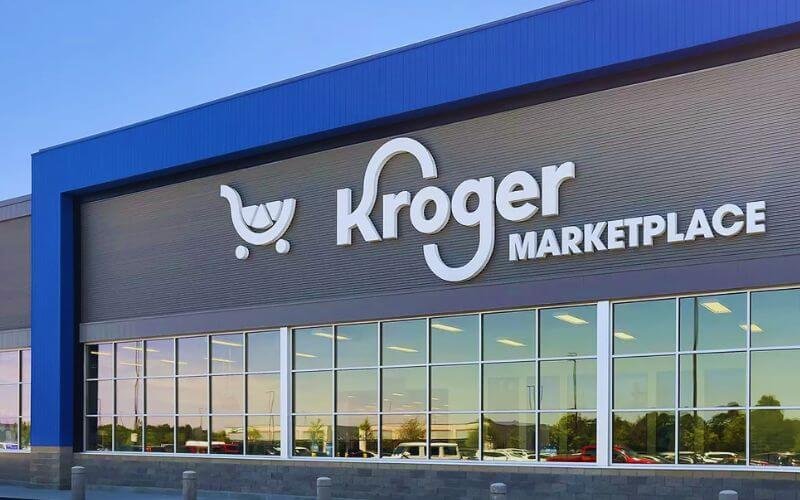
If you’ve seen headlines about Kroger shutting down stores and started wondering whether the whole company is collapsing, you’re not alone. But the reality is a lot more straightforward than those headlines suggest.
Kroger is not going out of business. What’s actually happening is a planned closure of roughly 60 underperforming stores by the end of 2026 — a targeted business decision, not a company in freefall. This article breaks down what the plan actually covers, which stores and states are affected, what happens to workers, and how to find out if your specific store is on the list.
Kroger Is Not Going Out of Business
Let’s answer the main question first. Kroger is one of the largest grocery retailers in the United States. It operates thousands of stores under multiple brand names and serves millions of customers every week. That is not the profile of a company about to shut down.
What Kroger is doing is closing around 60 stores it considers underperforming. That’s out of a much larger total store count. At the same time, the company is opening roughly 30 new locations and remodeling others. A business that is genuinely collapsing does not invest in new stores while trimming a handful of weaker ones.
There is no credible reporting about Kroger filing for bankruptcy or liquidating the company. The word “bankruptcy” does not appear in any serious coverage of this story. What you’re seeing is a standard retail efficiency move — not a shutdown.
What Kroger’s 60-Store Closure Plan Actually Covers
In mid-2025, Kroger announced it would close approximately 60 underperforming locations over about 18 months, with the plan running through the end of 2026. The company described the goal as a way to “run more efficiently,” trim costs, and simplify its business model.
As of late August 2025, trade publication Grocery Dive had identified 39 specific locations that were either already closed or publicly announced as closing. A Fast Company review found 33 confirmed shutdowns with additional ones still scheduled, suggesting more than half of the 60-store plan may already be complete.
One important detail: Kroger has not released a single official master list. Closures are being tracked through a combination of WARN notices, union announcements, and local news reporting. That means the full picture is being pieced together over time, which is part of why it’s hard to get a clear answer in one place.
Which Banners and States Are Seeing Closures
Kroger operates under many different brand names. If you shop at Harris Teeter, Mariano’s, Pick ‘n Save, or Fred Meyer, you’re shopping at a Kroger-owned store — you might just not know it. The closures are spread across several of these banners, not just stores that say “Kroger” on the sign.
Confirmed affected banners include:
- Kroger (stores in Georgia, Indiana, Kentucky, Louisiana, Texas, Virginia, and West Virginia)
- Fred Meyer (at least one location in Tacoma, Washington)
- Fry’s Food and Drug (Arizona)
- Harris Teeter (Virginia, North Carolina, and Maryland)
- Mariano’s (multiple Chicago-area locations in Illinois)
- Pick ‘n Save (multiple stores in the Milwaukee metro area in Wisconsin)
- QFC (at least one location in Mill Creek, Washington)
That list covers a lot of ground, but keep the scale in mind. These are specific locations in specific cities, not entire regions being abandoned.
The Atlanta Example
A shopper in metro Atlanta might hear that “Kroger is closing stores all over Atlanta” and assume the company is pulling out of the region entirely. The actual situation is more specific. Four stores in Alpharetta, Atlanta, Brookhaven, and Decatur are closing between July and October 2025 as part of the broader 60-store plan. Other Kroger locations in the Atlanta area remain open and operating normally.
The Milwaukee Example
Similarly, residents in Milwaukee saw several Pick ‘n Save locations announced for closure — stores in Glendale, Oak Creek, and South Milwaukee among them. That looks alarming if you assume the whole brand is being shut down. It isn’t. Kroger is closing specific underperforming Pick ‘n Save stores in that metro area while keeping others open.
The pattern is the same across every affected region: targeted cuts, not full exits.
What Happens to Employees and Local Shoppers
This is where the headlines can mislead people in a different way. You may have seen reports of Kroger laying off 1,000 workers and assumed that meant mass store closings or thousands of grocery workers losing jobs overnight. That’s not quite what’s happening.
The roughly 1,000 layoffs being reported are corporate-level employees — office and administrative staff, not store workers or distribution employees. It’s a cost-cutting move at the company’s operational level, separate from the store closures themselves.
For store employees at closing locations, Kroger’s stated approach is to offer transfers to nearby stores. In the Atlanta metro closures, for example, Kroger confirmed that affected store workers would be offered positions at other area locations rather than simply being let go. That doesn’t mean every single worker will accept or get a transfer, but immediate mass layoffs of store staff are not the stated plan.
For shoppers, the real concern is access. When a neighborhood loses its closest grocery store, that’s a genuine problem — especially in areas where driving to an alternative is difficult. Some communities near closing locations may face real gaps in food access, and that’s a legitimate issue worth paying attention to locally. But it’s different from Kroger as a company being in trouble.
Practically speaking, if your store is closing, here’s what to expect:
- Clearance sales and declining inventory as the final date approaches
- Posted notices in-store about the closing date
- Your pharmacy prescriptions can typically be transferred to another Kroger-owned location
- Your loyalty account, digital coupons, and points carry over to other stores in the Kroger family
Why Kroger Is Making This Move Now
Grocery retail has been under pressure from multiple directions. Inflation changed how many people shop — more price comparison, more discount store visits, more warehouse club runs. Walmart, Costco, Aldi, and a range of regional discount chains all compete for the same customers.
When a store sits in a location that’s no longer drawing enough traffic — whether because of neighborhood changes, nearby competition, or just a format that doesn’t work anymore — keeping it open costs more than it makes. Closing those stores and redirecting money toward higher-performing locations is a standard business move. Think of it like pruning a plant: cutting the weak growth back can make the rest of it healthier.
Kroger’s management has framed the 60-store plan in exactly those terms — optimizing the store footprint, exiting underperforming sites, and reinvesting in stronger markets. This kind of restructuring is common among large retailers managing hundreds or thousands of locations.
How to Find Out If Your Store Is Closing
Since Kroger hasn’t released one official list, the best way to check is through a few reliable channels:
- Local news — Regional TV stations and newspapers are often the first to report specific closures in their area, usually from WARN notices or Kroger press releases.
- Industry trackers — Grocery Dive and Fast Company have published running lists of confirmed closures, updated as new information becomes available.
- In-store signage — Closing stores typically post notices well in advance.
- Kroger customer service — If you’re genuinely unsure about your local store, calling or checking Kroger’s website directly is a straightforward option.
Avoid relying on social media rumors or informal posts that circulate lists without sourcing them to official announcements. Some of those lists are outdated, inaccurate, or deliberately sensationalized.
For more context on business decisions like this one — how large companies restructure, cut costs, and manage retail operations The Business Flick covers these topics in plain language.
The Bottom Line
Kroger is not going out of business. It is closing around 60 stores it considers underperforming, spread across multiple states and banner names, with the plan running through end of 2026. As of late 2025, the majority of those closures appear to already be announced or complete.
If your local store is among those closing, that’s a real inconvenience and potentially a bigger problem depending on your location. But it reflects a calculated business decision about specific low-performing sites not a sign that the company is collapsing or about to disappear.
If you’re unsure about your store, check local news or look for in-store notices rather than relying on viral posts. The facts here are clear enough once you get past the alarming headlines.
Also Read:
